Takatoshi
Tokyo
, Shinjuku
The Story
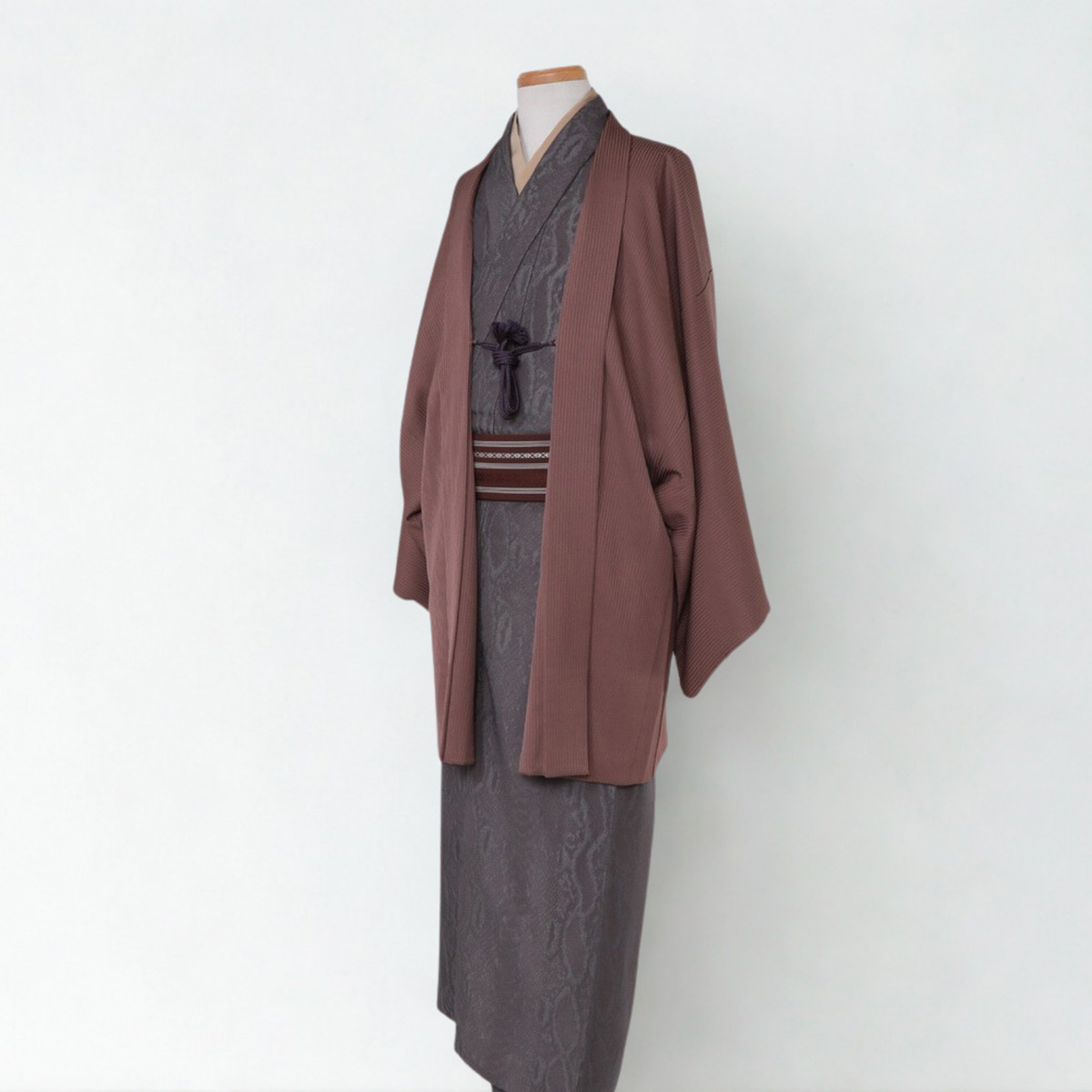
While Shinjuku is often associated with images of skyscrapers and bustling commercial districts, it also sustains traditional dyeing industries. Even today, about 40 companies remain in operation.
Founded in 1952, Fujiya Dyeing Studio was one of the dyeing operations that gathered around the abundant water of the Kanda and Myoshoji rivers that flow through Shinjuku Ward. Since the grade of water significantly impacts the finish of dyed fabrics, they prioritized the high quality of the Kanda River and set up their dyeing workshop here. Fujiya Dyeing Studio still cherishes the earthen-floored workshop, tools, and artisan techniques passed down since its founding.
The Nakamura family ran a charcoal shop beside the main gate of Yoshiwara before the war, but evacuated to Nagano during the conflict. In 1952, Shigeno returned to Tokyo and started a kimono dyeing workshop in Takadanobaba, marking the origin of the family business. However, he passed away suddenly at age 46, and the second-generation owner, Hiroyuki, took over at 18. As times changed and Western clothing became mainstream, kimonos transformed into garments worn mainly for special occasions, shifting the workshop’s focus from mass production to custom orders.
Current head Takatoshi felt stifled by having grown up in a self-employed family and had no interest in kimono. After graduating high school, he attended a regional university and later traveled nationwide for construction management work. Distancing himself from the family business allowed him to objectively reexamine the environment he grew up in, and an interest in hand-dyeing began to take root. At 23, he returned to begin his apprenticeship at Fujiya Dyeing Studio.
During that time, he repeatedly found that just when he thought he’d mastered something, a more difficult challenge would present itself. Even after grasping the fundamentals of the technology and methodology, he felt prompted to consider what only he could create, what could only be achieved through his unique dyeing technique. He sees this balance between innovation and keeping the traditional ways to be in a state of constant flux.
Takatoshi explores designs and uses suited to modern lifestyles, while pursuing ever-better creations. Aiming for a fusion of tradition and modernity, he actively pursues collaborations with other brands and new challenges, as a means of connecting Japan’s traditions to the future.
The Craft
Starting with pure silk white fabric created by weavers in Tango, Takatoshi meticulously adjusts each step of the process while carefully assessing daily variables—the fabric’s condition, the season, temperature, and humidity.
Before dyeing, a solution is made by boiling and dissolving konbu, which adjusts the speed at which the dye penetrates the fabric, making it easier to dye evenly.
The workshop floor is large enough to pull 12 meters of fabric. Artisans mix colors to achieve the desired result, with an initial dye at a 48-49% concentration. After drying, they add any missing color tones and dye again. This ensures the color dyes more evenly and the hues match perfectly.
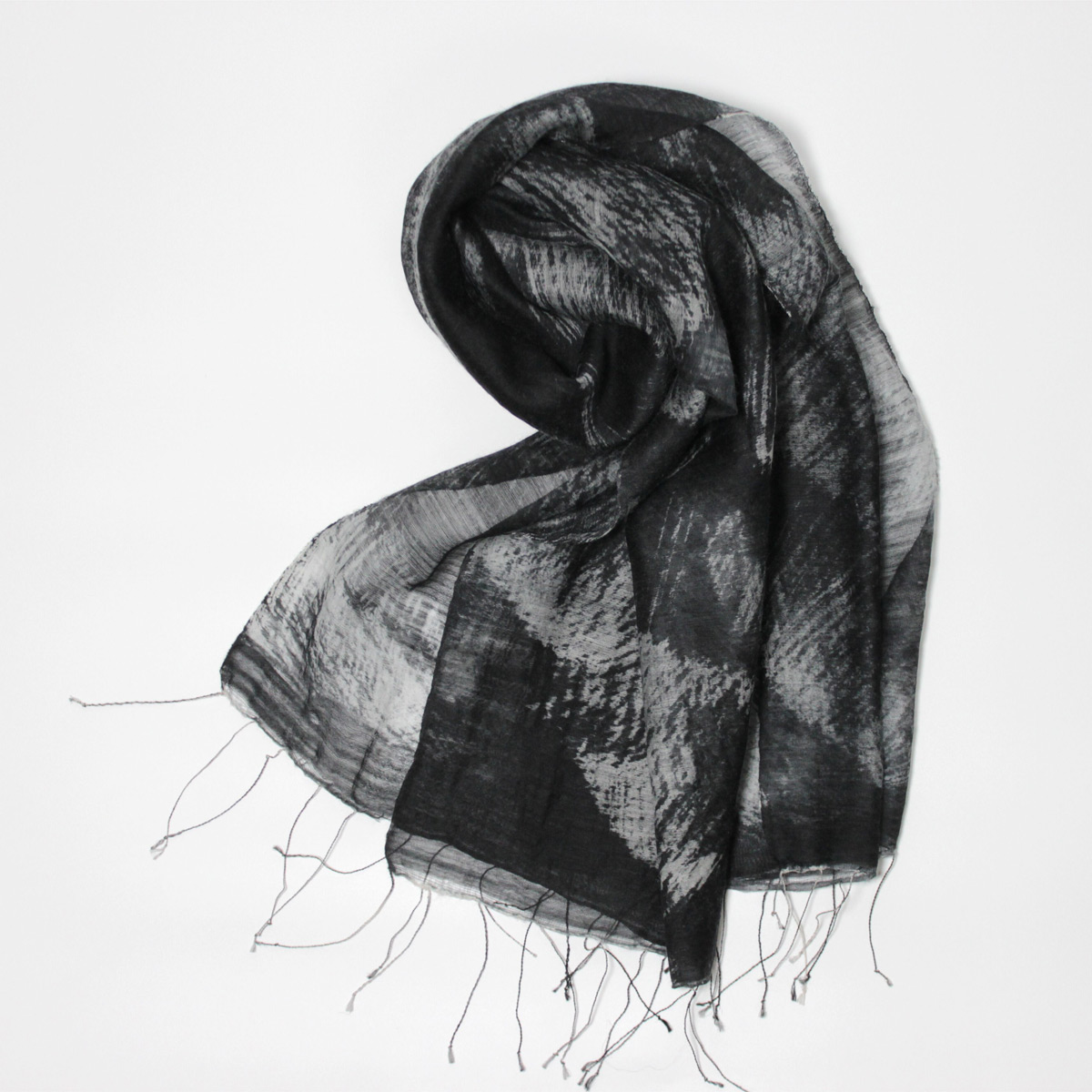
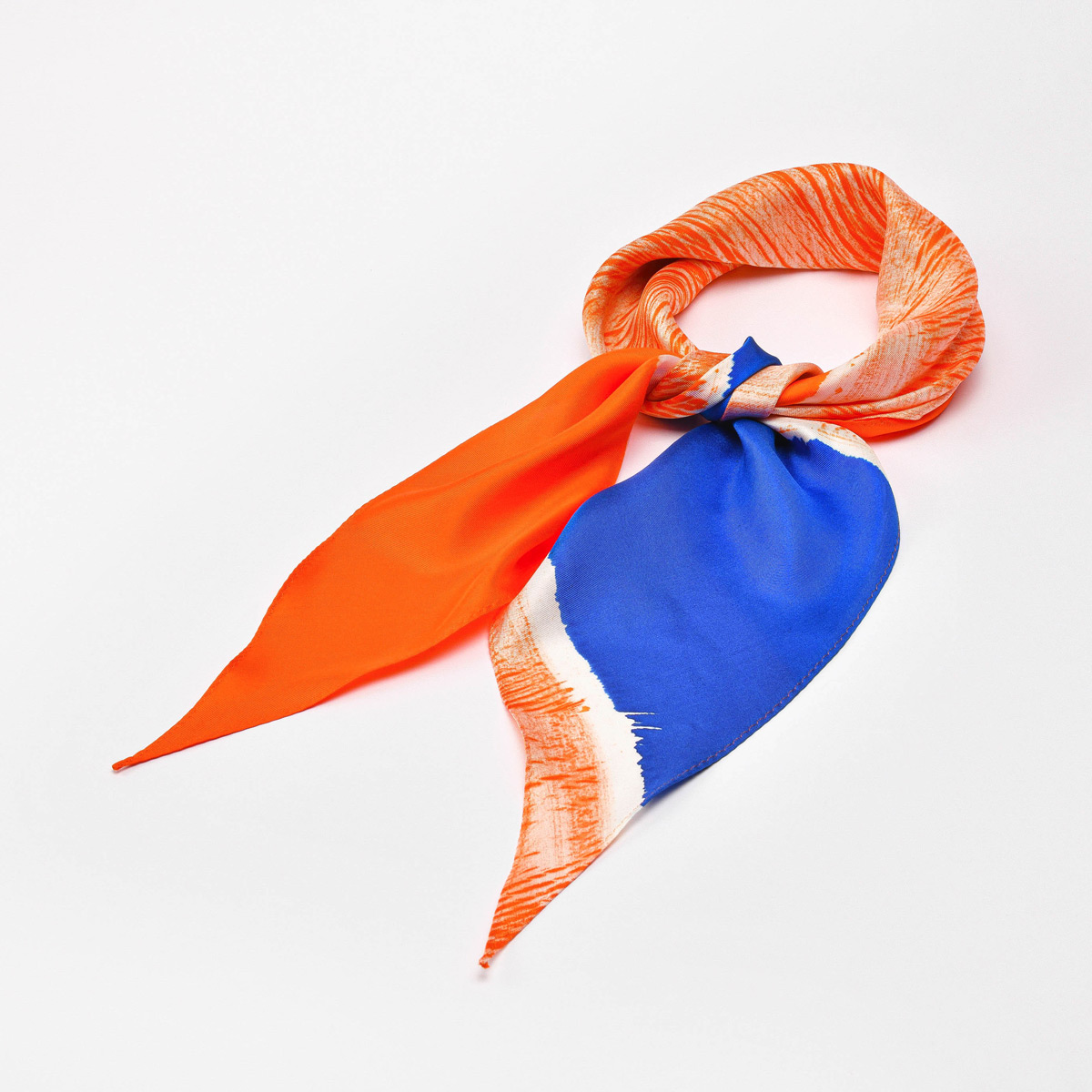
All dyeing is done by hand, using the “hikizome” technique. Using brushes to layer dye onto each bolt of fabric, this technique delicately draws out deep hues and the lustrous sheen of silk.
The step known as Mizumoto washes away any dye that hasn’t fully set. This prevents color transfer during wear and inhibits mold growth inside the wardrobe.
Selected works