Rakunyu H.
Shiga
, Shigaraki
The Story
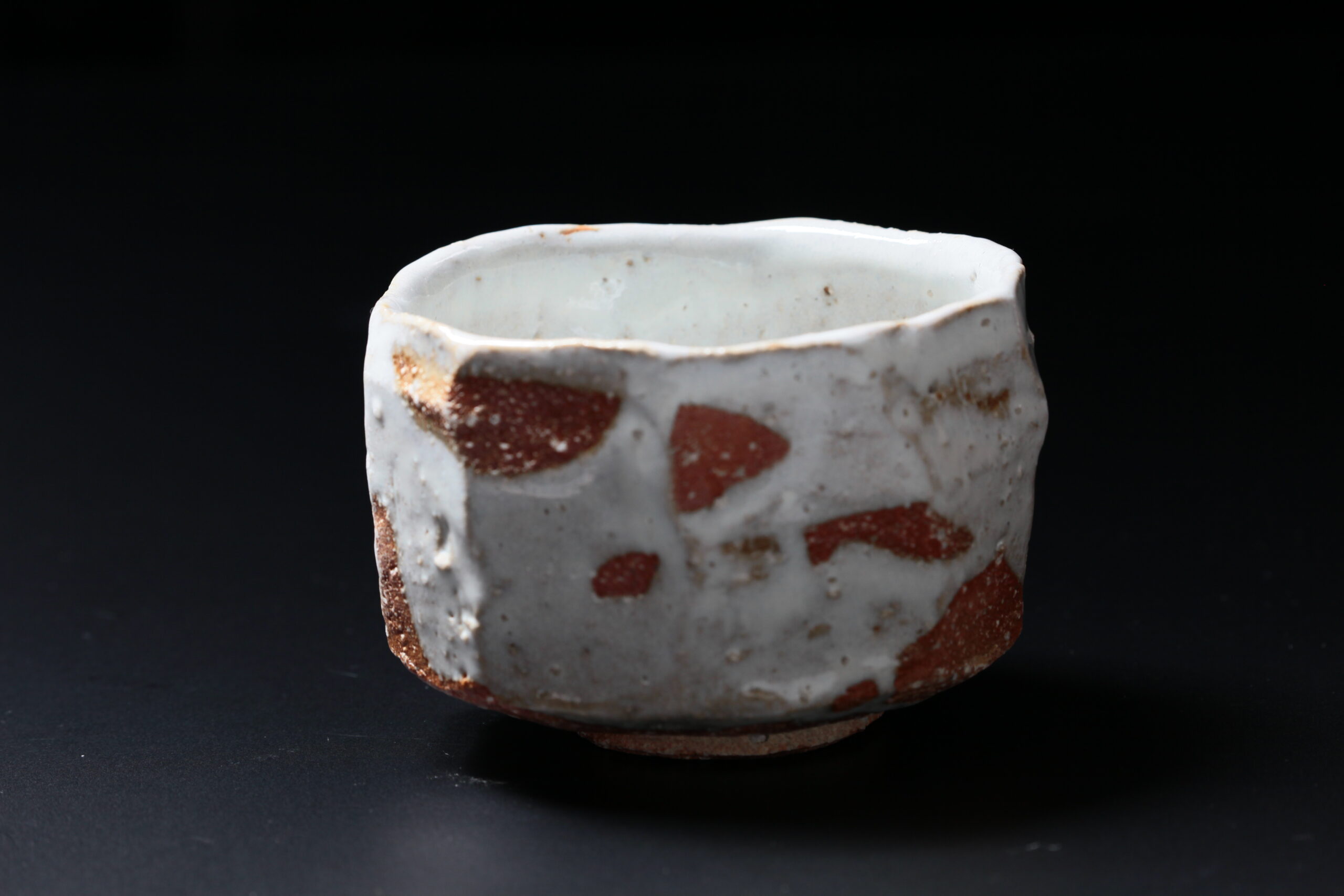
Japan has six early kiln sites that produced varying types of ceramic ware, including Seto, Tokoname, Echizen, Shigaraki, Tanba, and Bizen. Early Japanese traditional techniques were mixed with later cultural imports from China and the Korean Peninsula, allowing each region to establish their own respective style. From the Momoyama period (1583–1600) onward, these ceramic wares came be used in tea practice and were cherished by many tea practitioners through out the archipelago.
Based in Shigaraki, Kochu-an continues to pursue the charm and possibilities of Shigaraki ware, from tea utensils down to vessels purposeful in everyday life. The term Kochu means “Within a Jar,” originating in a passage from an ancient Chinese book that refers to another world separate from this earthly one. Their studio and tearoom were given the name Kochu-an by Abbot Hotani Komei of the historic Zen temple Daitoku-ji in Kyoto
Third generation head Honiwa Rakunyu III was born in Shigaraki in 1965. In 1990, he started studying under Honiwa Rakunyu II and undertook tea practice five years later. He inherited the lineage when his predecessor passed away suddenly, and although he was told to serve tea for ten years, he decided to take his name around the sixth year. In 2002, he received the ceramic seal from Zen Master and Chief Abbot of Daitoku-ji Temple, Fukutomi Settei Roshi.
Rakunyu later built an anagama cave kiln, and continues to devote himself to the research of Shiragaki tea ware, from its ancient roots up to the early modern period. The previous generations of Kochu did not use rough clay, but made a few tea bowls using materials from Kyoto. They tried to make tea bowls easier to use by incorporating Shigaraki methods.
As a creator, Rakunyu values the shape and purpose of his work, ever conscious of Shigaraki traditions. The latter proves relatively easy as traditions cannot be broken as they stem from within the family. Yet about thirty percent of the time he will try new things. The inscriptions he uses in his wares are based on the performance or chants of Not theater, which he follows in his free time.
In the future, Rakunyu wants to pass on knowledge about techniques and materials, yet he wants the next generation to create their own technical style.
The Craft
Chaji celebrating seasonal changes are held at Kochu-an throughout the year, starting from the kuchikiri gathering, in which the new tea of the year is first used, to the late-autumn nagori gathering, at which the remaining tea of the previous year is enjoyed.
As an extension of the the traditional tea concept of hospitality, Kochu-an has opened the Kochuan no Yado guesthouse, where the guest can relax and enjoy tea ceremony in the morning, noon, or evening, as well as relish their seasonal cuisine. The guest rooms, decorated with tiles fired in Kochu-an’s kiln, evoke a nostalgic feeling of the Taisho period, offering a good night’s sleep within a retro atmosphere.
Selected works