Maki
Kyoto
, Fushimi
The Story
Maki Okayama is the third-generation daughter of a Kyo-yuzen dyeing family. It was her parents, Kozo and Takeko Okayama, who decided to turn the family trade into an independent business, founding Okayama Kougei in Kyoto’s southern Fushimi Ward in 1968. Growing up with the family workshop and home under the same roof, Maki saw the craftsmen around her not simply as colleagues, but as friends who were part of her everyday life. She joined the family business herself at twenty-four, and later became its president.
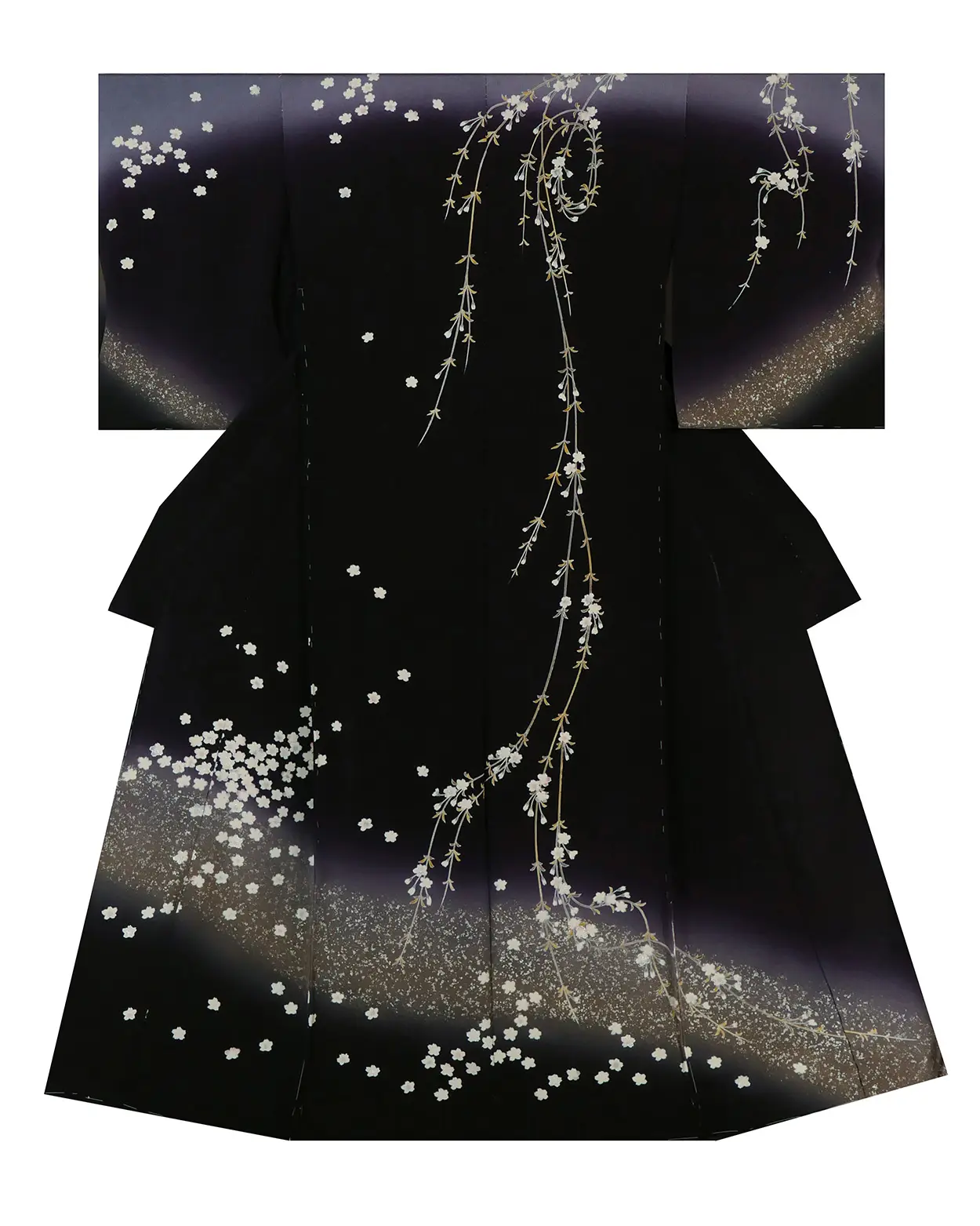
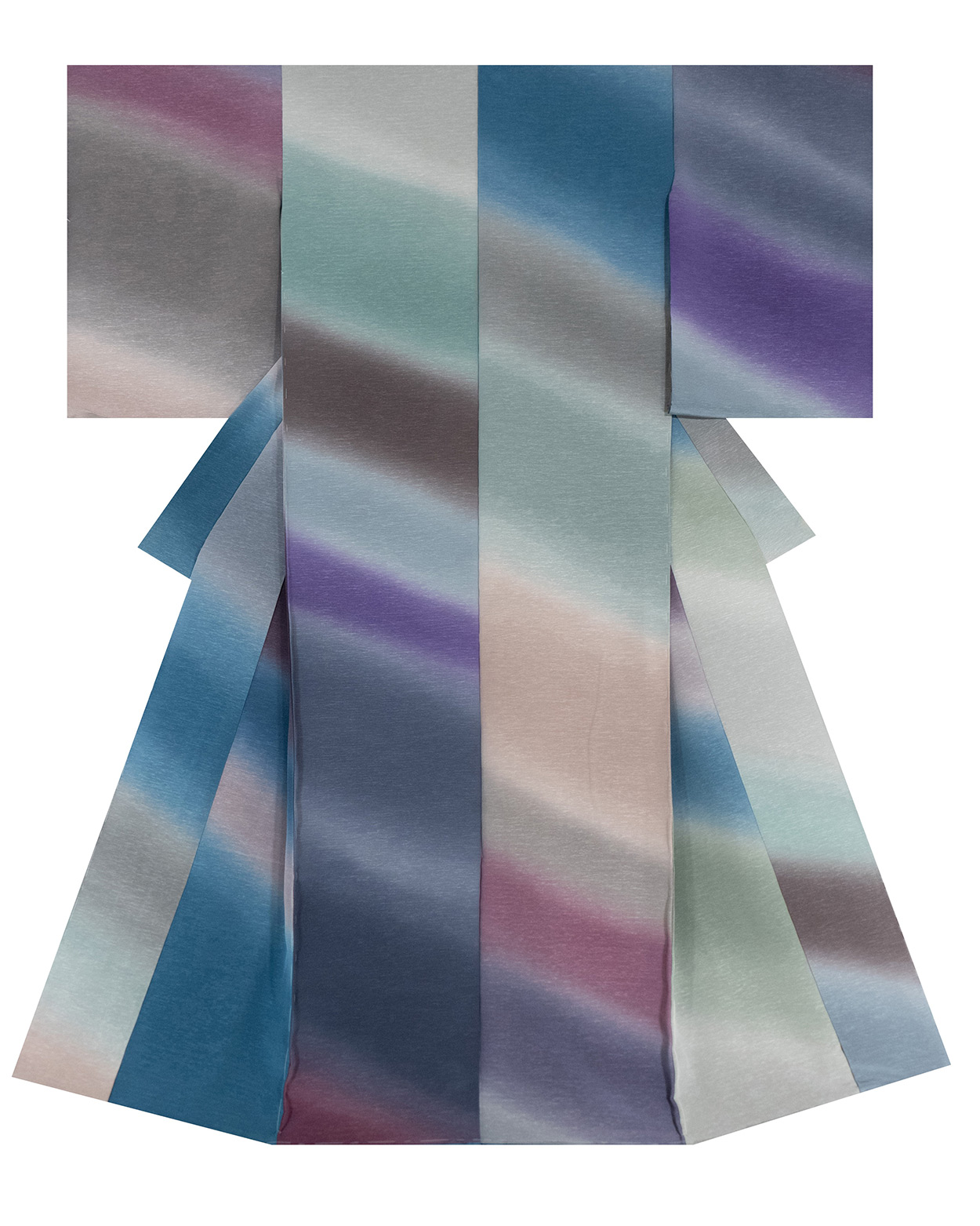
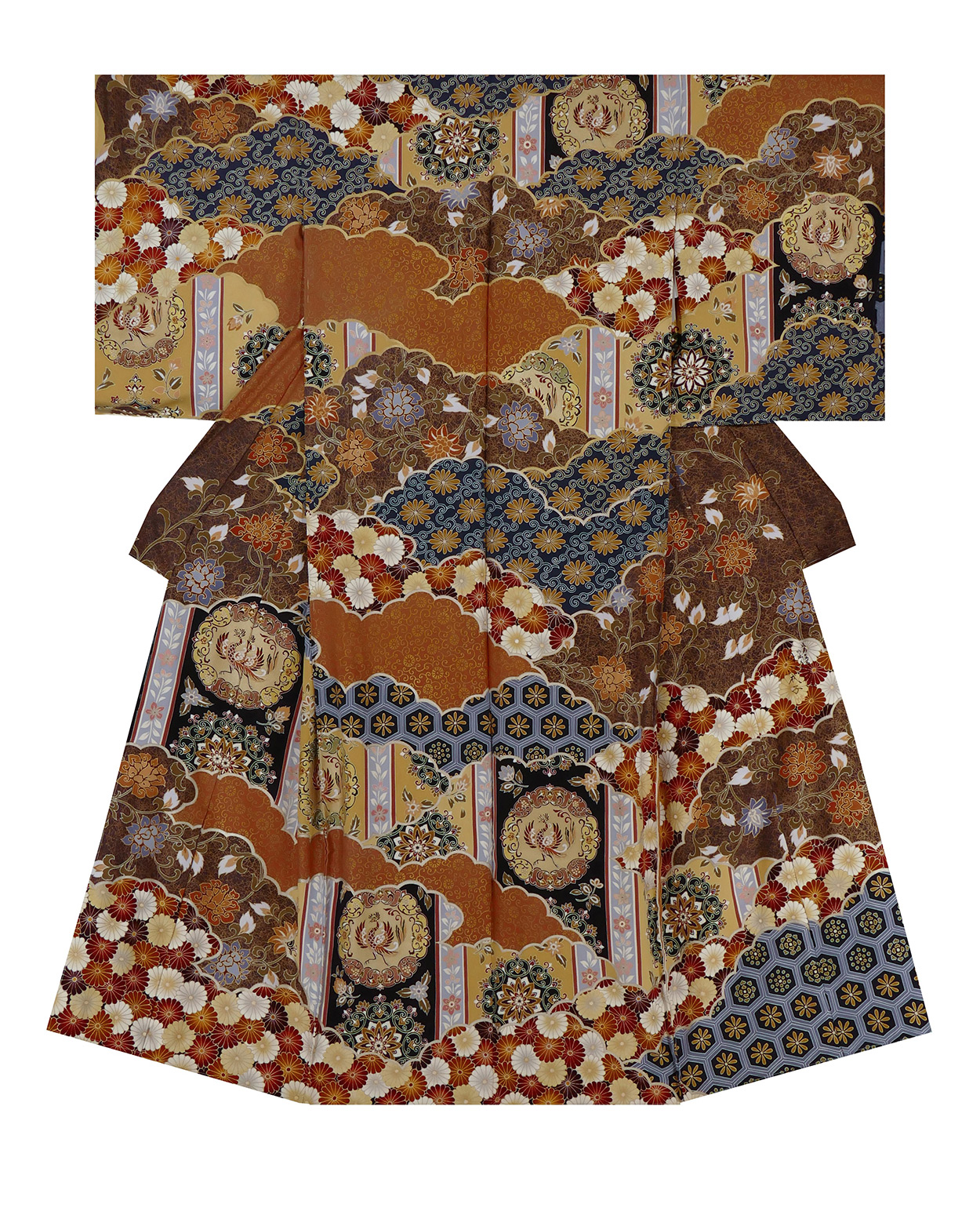
Kyo-yuzen is a traditional Kyoto textile art that has been passed down for around three hundred years. Primarily used to create kimono, it is characterized by intricate hand-painted designs and rich colors applied to silk. Though many artisans focus exclusively on preservation, Maki believes that tradition is not something that should be protected from change. She believes in balancing tradition and innovation equally—bringing together the beauty of classical Japanese aesthetics with contemporary sensibilities.
Inspired by art, landscapes, Japanese classics, and traditional performing arts, Maki continues to explore new forms of expressions through Kyo-yuzen, all while carrying forward the techniques and spirit inherited from her parents and generations of craftspeople before her.
The Craft
At Okayama Kougei, hand-painted Kyo-yuzen is created through a highly specialized division of labor, meaning that craftsmen work independently on numerous stages such as design, outlining, color matching, dyeing, painting, and gold leaf application. Each stage requires its own expertise, and every piece is ultimately brought to life through the hands and collaboration of many craftspeople.
With its own workshop, Okayama Kougei is able to bring these skills together under one roof and pass them directly from one generation to the next. The company employs around thirty people who range in age from their twenties to their eighties, with approximately half of the staff being craftspeople. Maki places particular importance on nurturing younger artisans to ensure that the skills of Kyo-yuzen continue into the future.
At the same time, Okayama Kougei is looking beyond traditional silk. The workshop has developed techniques to apply dyeing processes traditionally used for silk to polyester, opening up new possibilities for Kyo-yuzen use in contemporary products. For Maki, preserving tradition means continuing to create. By combining the classical with the contemporary, she seeks to keep the 300-year-old tradition of hand-painted Kyo-yuzen alive—not as something frozen in the past, but as a living craft that can evolve with the times.
Selected works